
Venus likely swallowed its own moon, study finds
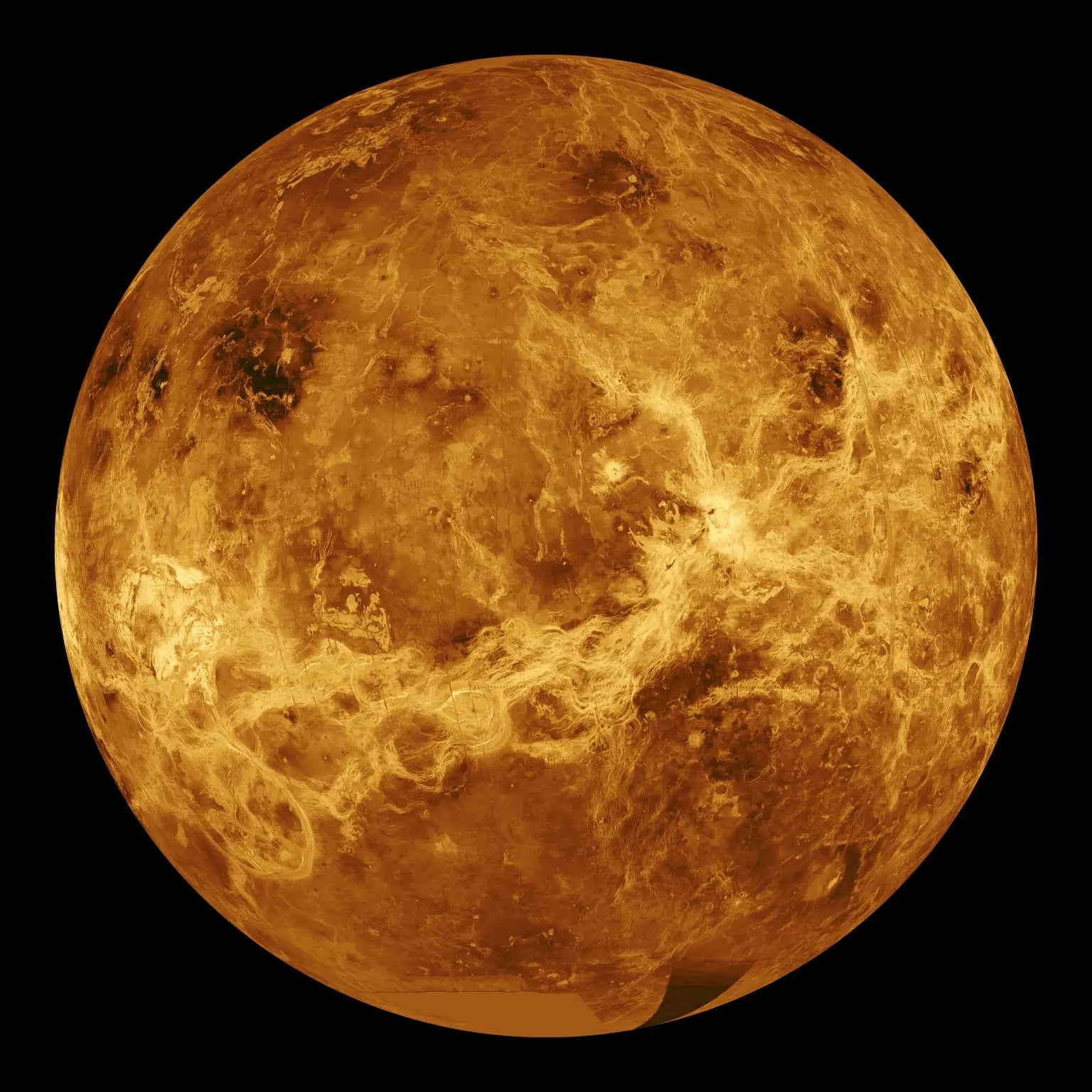
A University of California, Riverside investigation concludes that Venus most likely consumed a moon of its own. Astrophysicist Stephen Kane created computer models that evaluated two long‑standing ideas , a violent collision or the absence of a moon‑forming event , and found that neither matches the observations. “My study shows Venus did not require a catastrophe to arrive at what we can see today,” Kane explained. The planet’s own gravity combined with its slow 243‑day rotation would have drawn a moon inward until it merged with Venus, the opposite of Earth’s moon, which drifts away by roughly four centimeters per year as Earth spins once every 24 hours. The findings were published in The Astrophysical Journal.
The result provides a physics‑based answer to a persistent question about why Earth’s twin lacks a rocky satellite, using data and models that tie directly to observed planetary dynamics.
Source: Venus ate its moon (news.ucr.edu).
Written by the HappyGood desk from the primary source linked above and checked against it. Every story links its source. Corrections: hello@happygood.news.
More from the archive
- Blind Herefordshire writer gains international acclaim for debut short film Blind Faith October 18, 2026
- At 91, Barrie man stays active every day at East Bayfield Community Centre October 18, 2026
- Wrexham care home residents take nostalgic train ride through Dee Valley October 17, 2026
- Roslin pupils sow wildflower meadow by hand at Roslin Glen October 16, 2026
- Oyster sanctuary network in North Carolina's Pamlico Sound reaches 500-acre goal October 16, 2026